Indian Hills KY Homebuyer Guide: Lots, Homes, and Lifestyle
May 21, 2026
May 21, 2026
If you want space, mature trees, and a home with real architectural character, Indian Hills deserves a close look. Buying here is different from buying in a more urban-feeling Louisville neighborhood because the lots, street layout, and housing stock all shape how daily life feels. This guide will help you understand what to expect in Indian Hills, from lot sizes and home styles to pricing, commute patterns, and practical details that matter before you make an offer. Let’s dive in.
Indian Hills is a small home-rule city in Jefferson County with about 2,900 residents spread across roughly 2 square miles. Its current city structure dates to a 1999 merger of Indian Hills–Cherokee, Indian Hills–Country Club, Robinswood, and Winding Falls. The result is an established residential setting that feels close to Louisville while keeping a distinct identity of its own.
The numbers also point to a settled, higher-value suburb rather than a dense urban district. Recent ACS-based data show a median age of 52.7, median household income of $192,000, bachelor’s degree attainment of 84.8%, and a median owner-occupied home value of $699,200. For you as a buyer, that often signals a market where homes are well cared for and long-term ownership is common.
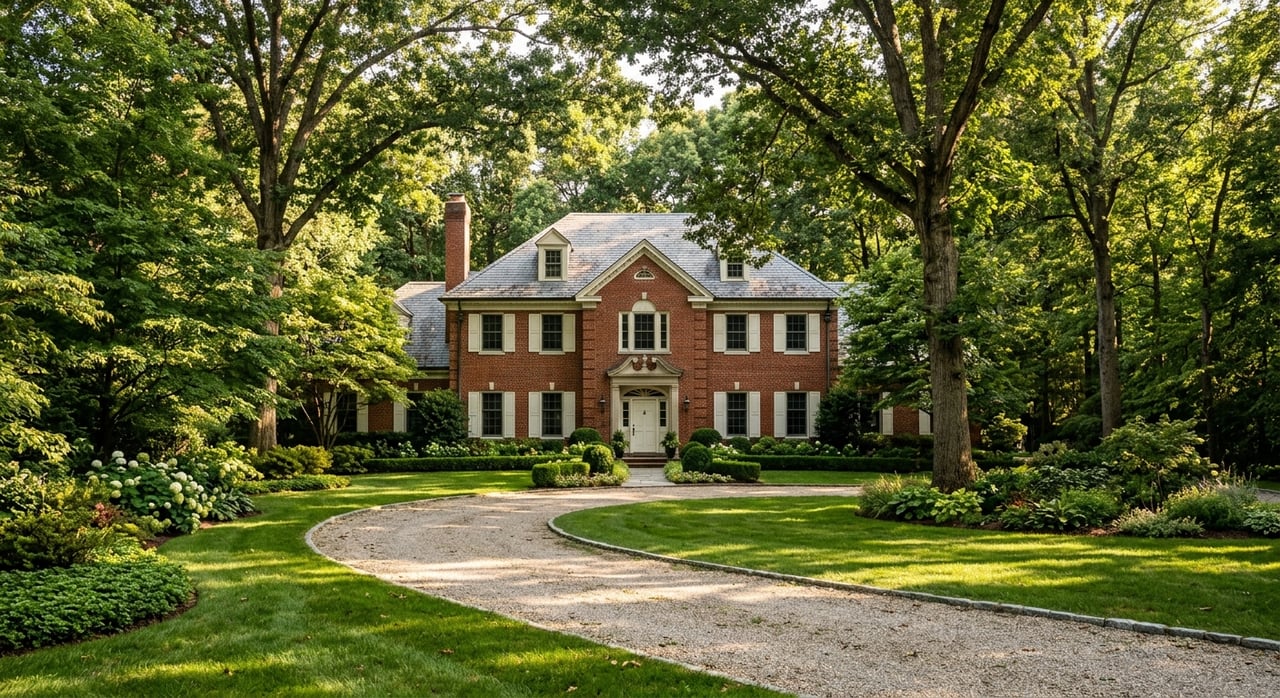
One of the first things buyers notice in Indian Hills is the land. You are not usually looking at a tight grid of small lots. Instead, you will often find homes set on parcels that give more breathing room, more landscaping, and more separation from neighboring properties.
Recent examples show lots ranging from about 0.32 acres to 2.63 acres. A common band appears to be roughly 0.4 to 1 acre, though larger estate-style parcels do come up. If lot size is high on your priority list, Indian Hills gives you more variety than many close-in Louisville neighborhoods.
That extra land changes how a property lives. You may see longer driveways, broader front setbacks, more established tree cover, and more usable outdoor space. It can also mean more maintenance, so it helps to think honestly about how much yard and landscape upkeep fits your lifestyle.
Indian Hills has an Olmsted-influenced planning legacy that still affects the look and feel of the city today. City materials describe sweeping curvilinear streets, rounded intersections, preserved trees, green space, and a design approach that follows the natural topography. The city also continues to replant native hardwoods and shrubs to support that landscape-first identity.
For you, that means the setting is part of the value. The streetscape tends to feel softer and more organic than a neighborhood built on a rigid grid. If you love mature trees and a quieter residential environment, this is a big part of Indian Hills’ appeal.
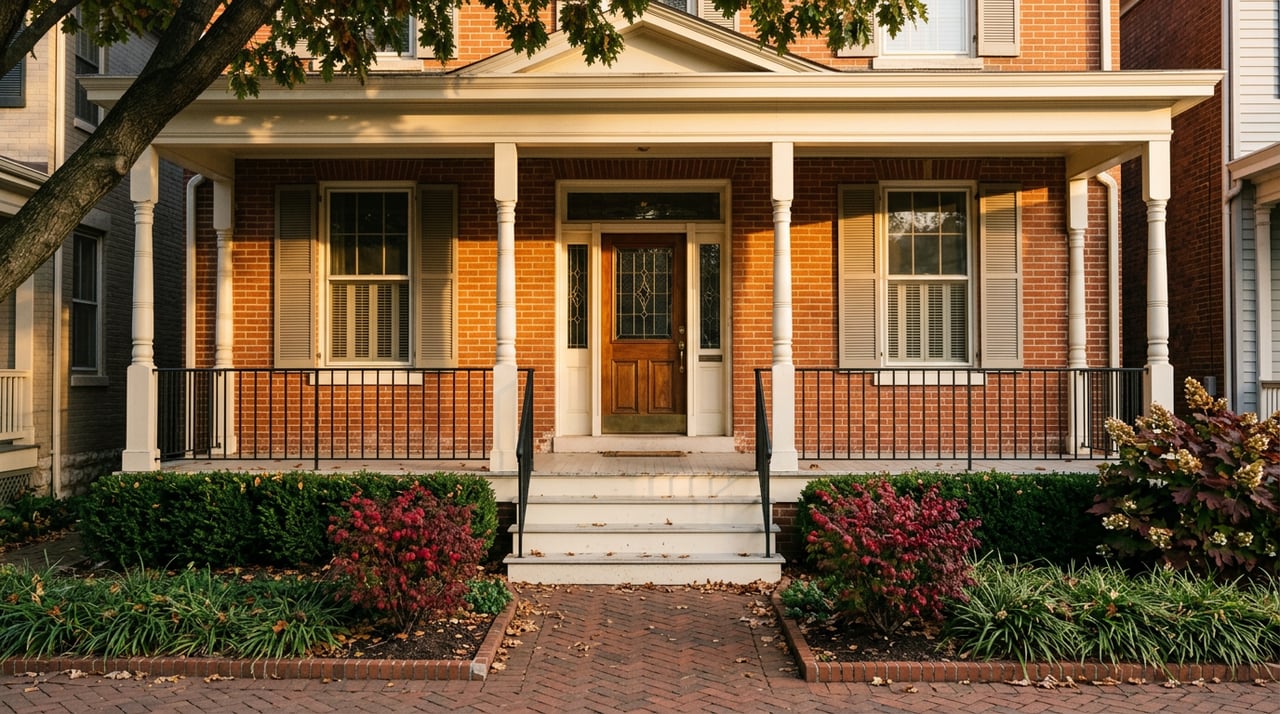
Indian Hills is not a neighborhood of look-alike new construction. Its housing stock leans traditional, historic, and architecturally varied. That gives buyers a chance to find a home with personality, but it also means every listing needs to be evaluated on its own condition, updates, and layout.
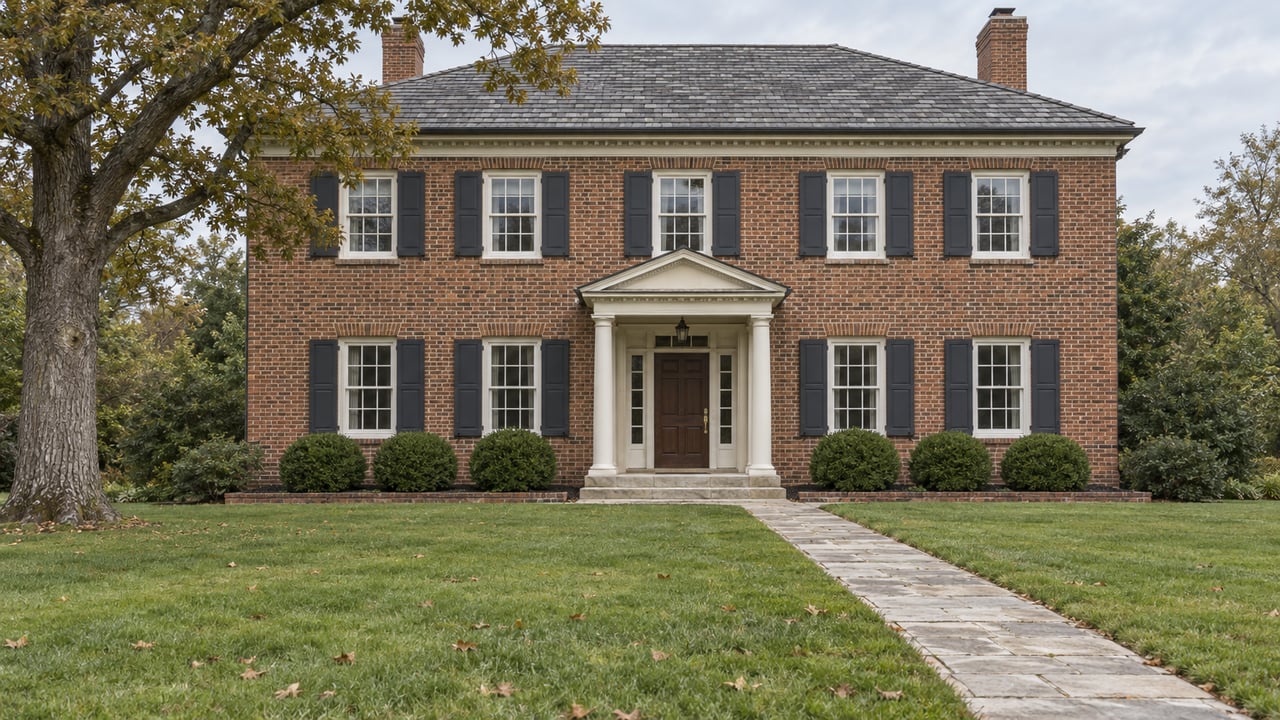
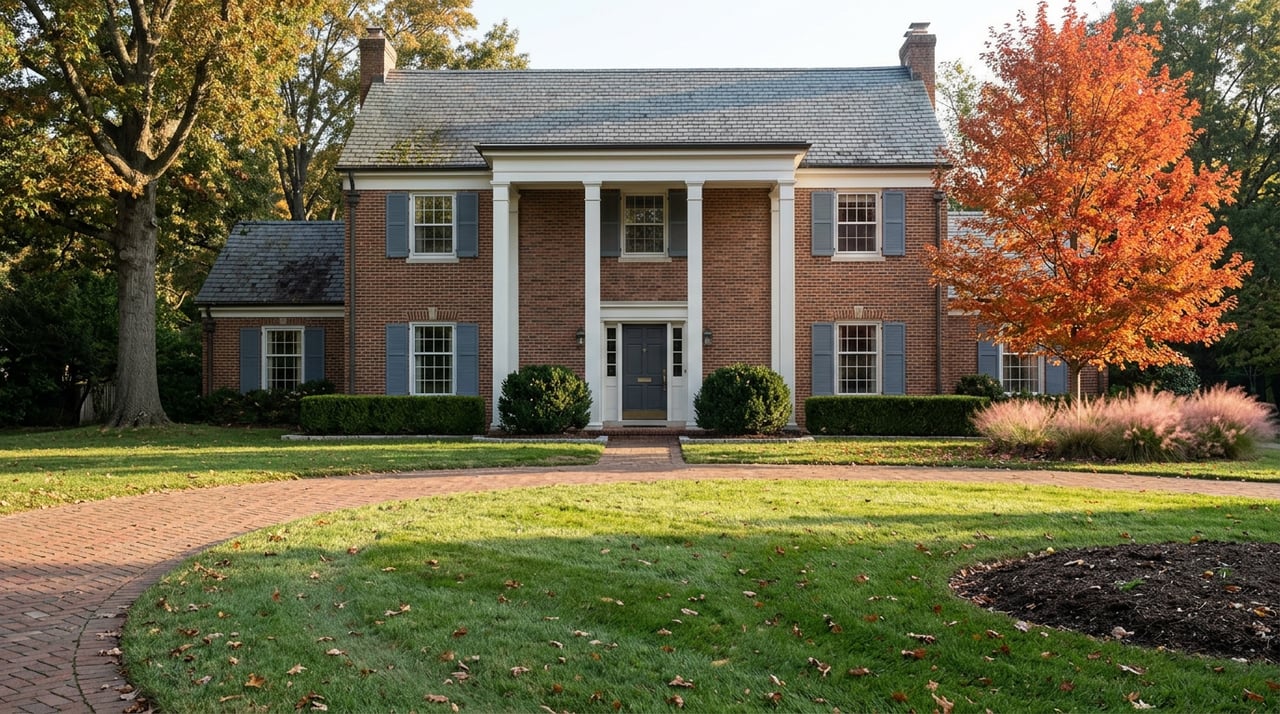
Recent examples include a traditional center-hall colonial, a 1939 original model home, a 1929 Tudor, a 1937 creekstone Tudor, a 1955 Georgian, and a 1963 mid-century ranch. In practical terms, you are likely to see classic single-family homes with lasting architectural details instead of newer tract-style inventory.
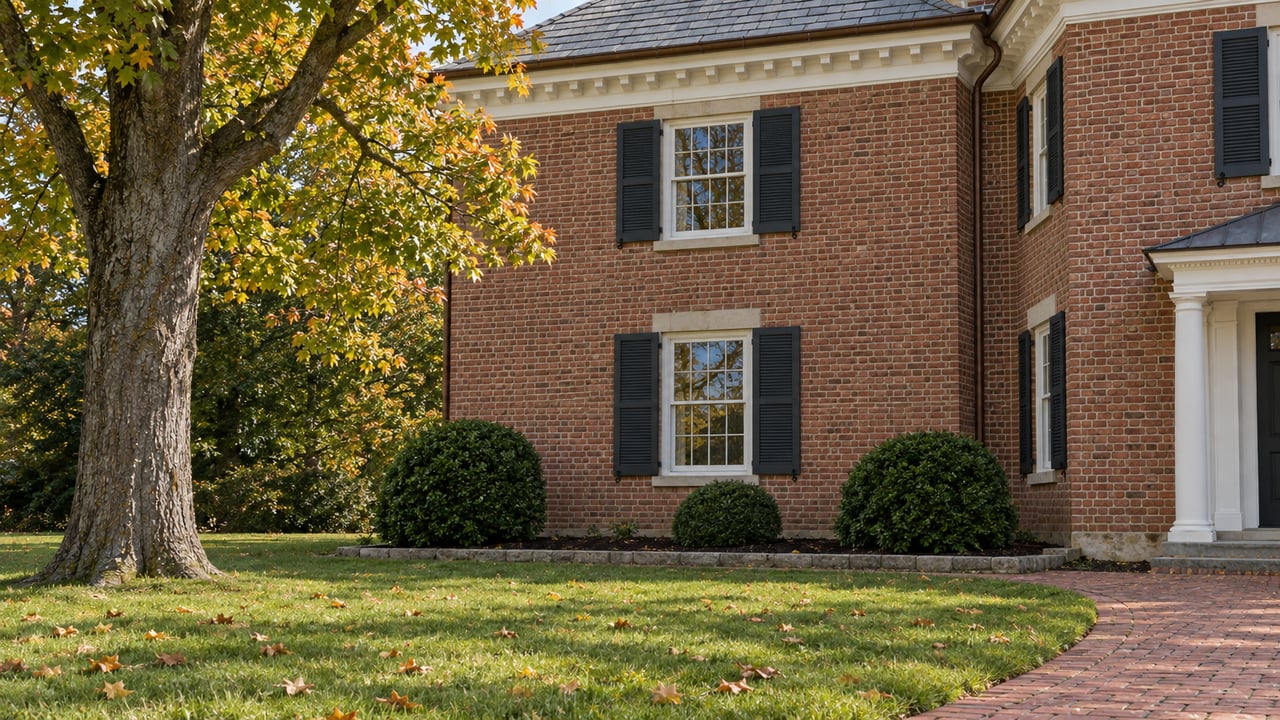
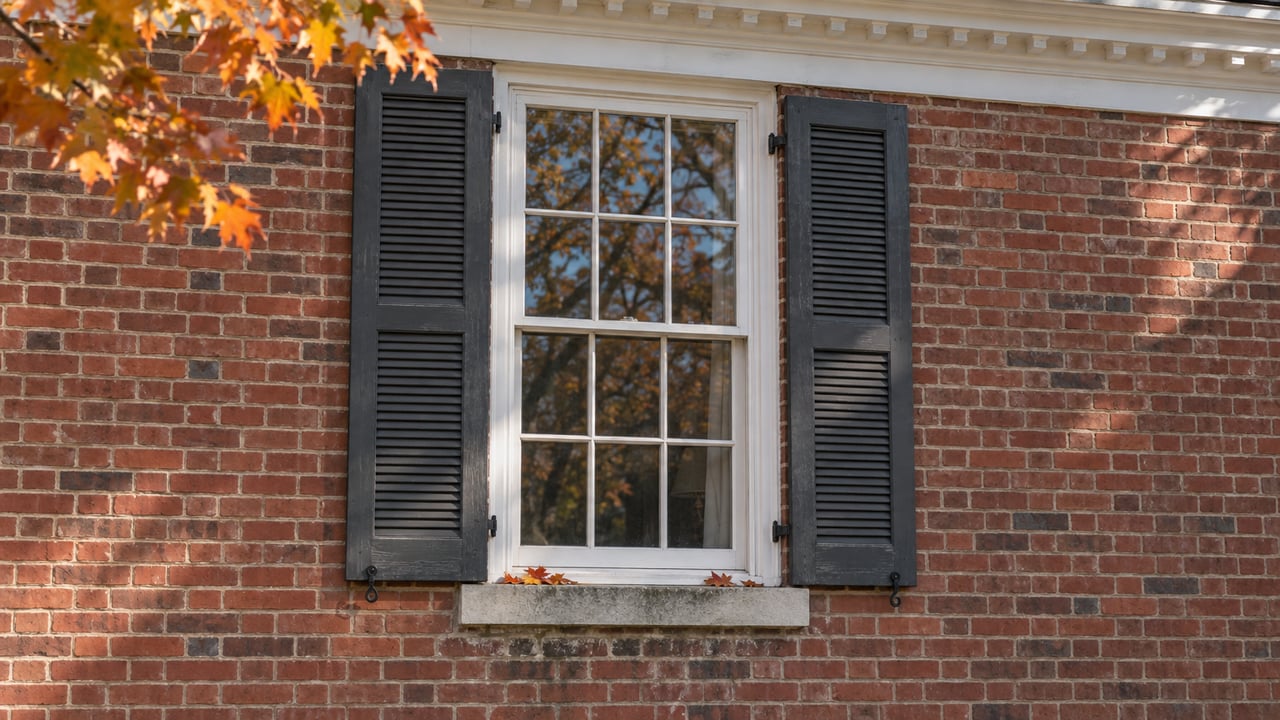
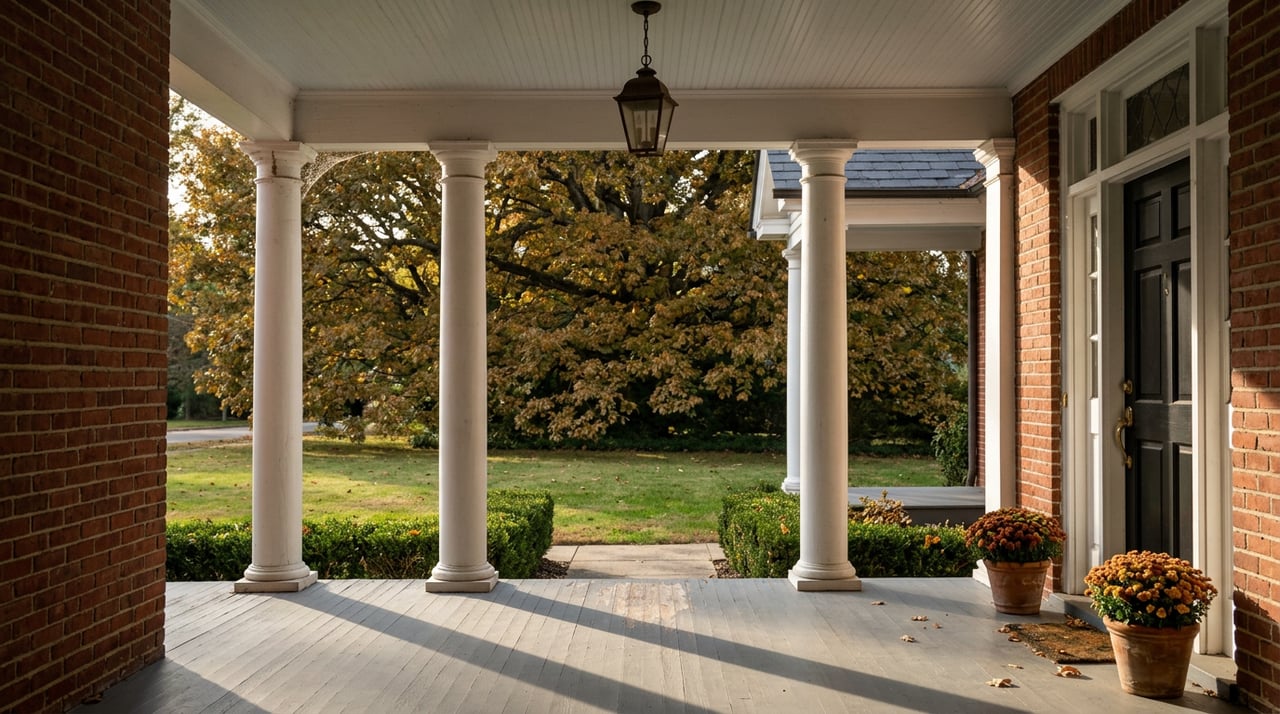
Older and classically designed homes often offer features many buyers love, such as formal entries, detailed millwork, masonry exteriors, and more distinctive facades. At the same time, floor plans, systems, and renovation quality can vary widely from house to house. A beautiful exterior does not always tell you how updated the kitchen, baths, windows, drainage, or mechanicals may be.
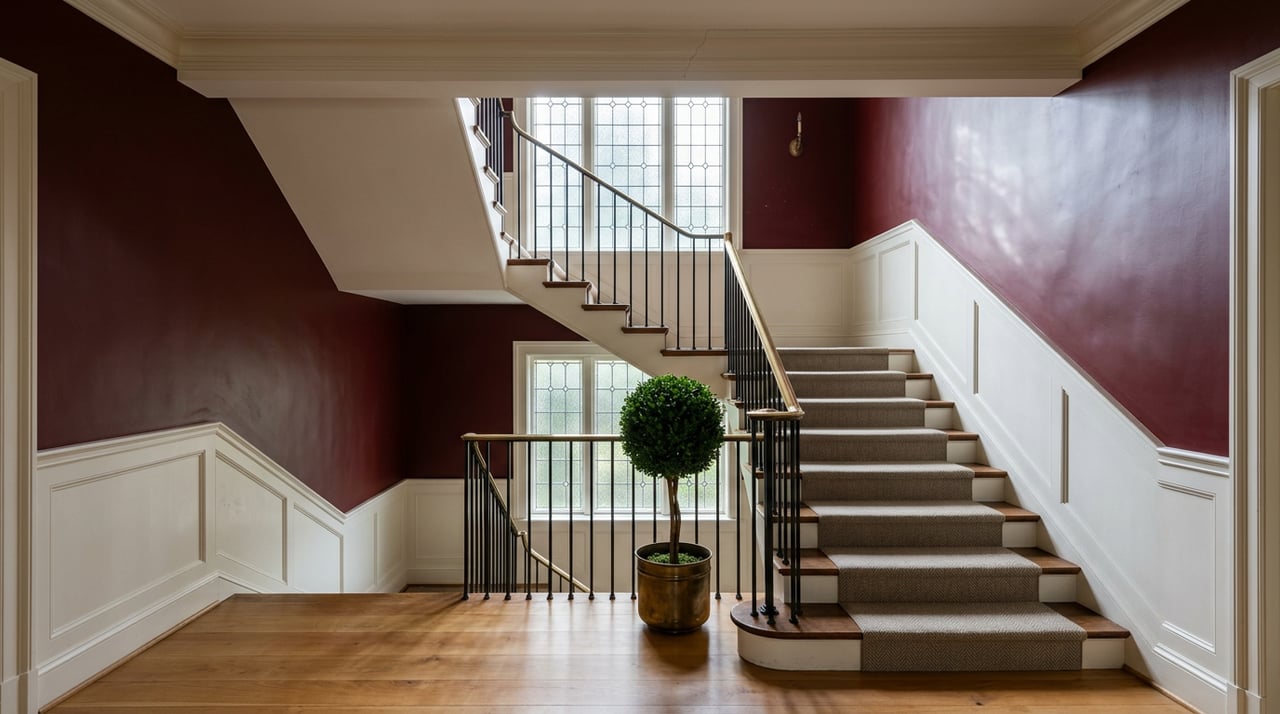
This is where a design-aware buying approach matters. When you tour Indian Hills homes, it helps to look beyond finishes and consider how a home’s original architecture and later updates work together. A well-renovated traditional home can deliver both character and function, while a less thoughtful update may require more future investment.
Indian Hills has a broad price range, which is important to understand before you start shopping. Current market indicators cluster in the mid-$600,000s to mid-$700,000s, but the neighborhood includes everything from smaller homes at lower entry points to large estate properties well beyond $1 million.
As of March 2026, Redfin reported a median sale price of $613,000 and $187 per square foot. Realtor.com showed a median listing price of $675,000, median days on market of 37, and a 100% sale-to-list ratio. Zillow’s home value index was $769,166 on April 30, 2026. Together, those figures suggest a competitive market with meaningful variation by lot size, condition, and architectural significance.
Here is a simple way to think about the range:
Because the spread is so wide, your budget should reflect not just the address but also the lot, the architecture, the level of renovation, and how turnkey the property is.
Indian Hills offers a close-in suburban lifestyle rather than a highly walkable retail environment. If you are looking for restaurants, bars, and concentrated shopping right outside your front door, other Louisville neighborhoods may fit better. If you want privacy, greenery, and a more secluded residential feel, Indian Hills is often a strong match.
Commute access is one reason buyers stay interested. Census Reporter shows a mean travel time to work of 18.4 minutes, and TravelMath estimates about 14 minutes by car from Indian Hills to Louisville city center. That makes it easier to enjoy a tucked-away setting without feeling far removed from the rest of the city.
Indian Hills itself is primarily residential, so many day-to-day outings happen nearby rather than within the city limits. Louisville’s official tourism materials describe Clifton and Crescent Hill as restaurant and shopping areas along Frankfort Avenue. St. Matthews is noted for bars and pubs, parks, malls, and shopping centers.
For buyers, that creates a useful balance. You can live in a quieter, landscape-oriented setting while still reaching active commercial corridors without a long drive.
Beyond style and price, Indian Hills has some practical considerations that can affect your decision.
The city requires permits for construction, remodeling, driveways, fencing, grade and drainage changes, dumpsters, and moving or storage containers. If you are buying a home with plans for exterior changes or a renovation project, you will want to understand these requirements early. That is especially important in a neighborhood where landscaping and streetscape character are part of the appeal.
The Indian Hills Police Department provides 24-hour coverage for Indian Hills and Rolling Fields. The department also offers a house-watch program and crime-alert email subscription. For buyers who travel often or want added local support services, that may be a meaningful feature of daily life.
If school assignment is part of your home search, verify it by address before you write an offer. In JCPS, assignment is address-based, and the exact path should be confirmed using the district’s assignment tools. This is one of those details that is too important to assume from a listing.
A lot of buyers compare Indian Hills with places like Crescent Hill or St. Matthews. That comparison is helpful because the lifestyle tradeoffs are real. Indian Hills generally offers more privacy, larger lots, and a quieter residential street network, while more urban-feeling neighborhoods tend to offer easier access to walkable retail and mixed-use activity.
Neither option is better across the board. It depends on what matters most to you. If your ideal day includes mature trees, curving roads, and a home that feels set into the landscape, Indian Hills may feel right. If you want a more active street scene and quicker access to restaurants or shops on foot, you may prefer a different neighborhood.
Indian Hills tends to fit buyers who value architectural character, larger lots, and a close-in location with a quieter residential atmosphere. It can be especially appealing if you want a classic home, room to spread out, and a setting where landscaping is a major part of the neighborhood identity.
It may be a smart place to focus if your wish list includes:
If that sounds like your next move, Indian Hills is worth exploring carefully and house by house. The neighborhood has a lot of range, and the right guidance can help you separate a good fit from a costly compromise.
If you are considering a move to Indian Hills and want local insight on lot value, home style, and renovation potential, connect with Brooke Miller. Brooke brings Louisville neighborhood knowledge and design-savvy guidance to help you buy with confidence.
Stay up to date on the latest real estate trends.
Work with a third-generation Louisville REALTOR® with over 16 years of experience, and enjoy a seamless, personalized real estate experience backed by integrity and dedication.