Are Shelby County KY Acreage Homes Right for You?
May 7, 2026
May 7, 2026
If you have been dreaming about more space, more privacy, and room to actually use your land, Shelby County may already be on your radar. For many first-time acreage buyers, the challenge is not just finding land. It is figuring out whether the day-to-day reality of owning it fits your budget, goals, and lifestyle. In Shelby County, you can find a real mix of property types, along with local rules and responsibilities that matter before you buy. Let’s dive in.
Shelby County offers something many first-acreage buyers want but do not always find in one place. It has a strong rural and agricultural identity, yet it also sits between Louisville and Lexington along the I-64 corridor. That combination can make it appealing if you want more land without feeling disconnected from work, services, or daily conveniences.
The county’s agricultural presence is not just part of its image. According to the 2022 USDA Census of Agriculture, Shelby County has 1,350 farms and 160,081 acres in farms, with an average farm size of 119 acres. Kentucky.gov also notes the county’s location between Louisville and Lexington and its recognition as the Saddlebred Capital of the World.
If you are buying acreage for the first time, Shelby County gives you more than one type of entry point. Current listing snapshots show everything from small lots to much larger tracts, which means you are not limited to one narrow version of rural property.
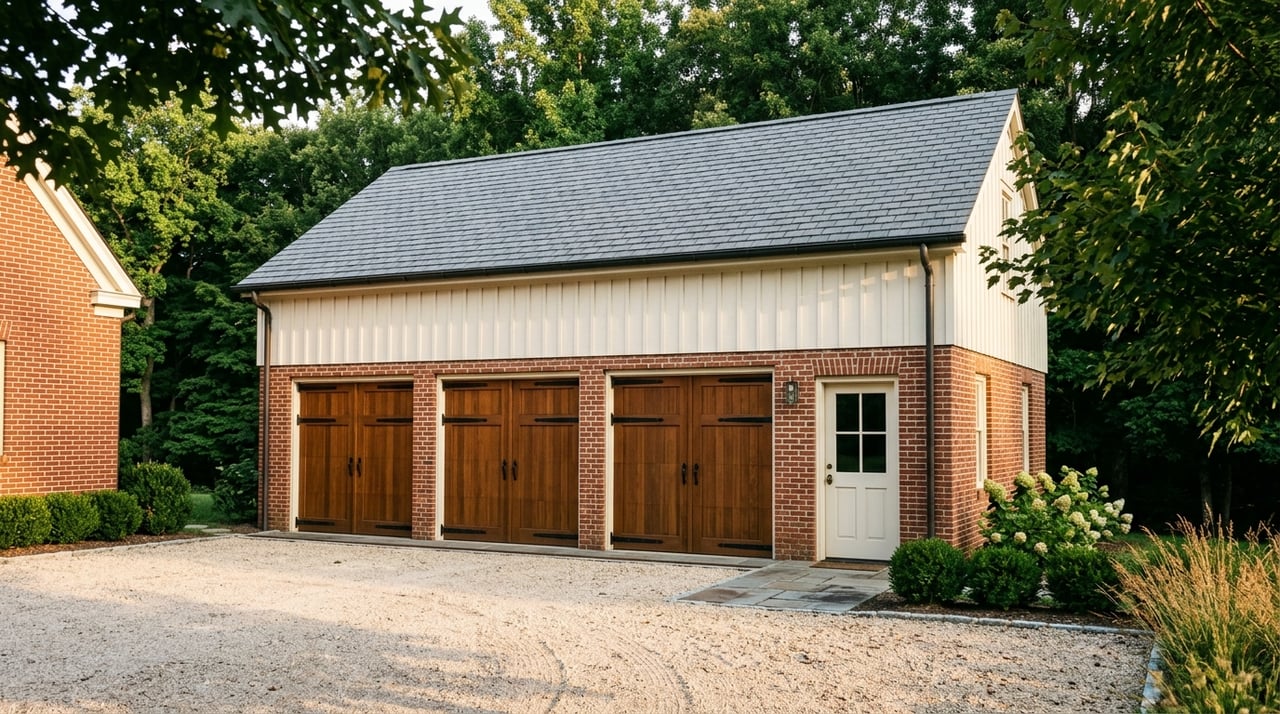
Recent listing examples in Shelby County have ranged from around half an acre to more than 200 acres. Available properties have included land-only tracts, cleared buildable lots, mini-farms with a house and outbuildings, and larger estate-style properties. Listings have also been spread across places like Shelbyville, Bagdad, Simpsonville, Fisherville, and Finchville, suggesting multiple submarkets within the county.
As you search, you are likely to see a few practical categories:
That variety can be helpful if you are still deciding what your first acreage purchase should look like. It also means your due diligence needs to match the property type, not just the acreage count.
A common first question is simple: how much land makes sense for a first purchase? In Shelby County, the answer depends on your goals, but the market supports a broad range of possibilities.
Current listings show small tracts around 2 to 7 acres, mid-sized properties in the 10 to 25 acre range, and much larger farm properties beyond that. USDA county data adds useful context here. About 45 percent of farms in Shelby County fall in the 10 to 49 acre range, and 29 percent are in the 50 to 179 acre range.
That matters because it shows mid-sized working land is normal in this market. If you want a manageable first step, a smaller tract or mini-farm may feel more realistic. If your goals involve livestock, hay, or broader land use, you may find that slightly larger acreage is common enough to compare several options.
Buying acreage is different from buying in a subdivision. In Shelby County, a few items deserve early attention because they can affect cost, timing, and what you are actually allowed to do with the property.
If a property uses a private well, water quality should be part of your planning. Kentucky’s Energy and Environment Cabinet says private well owners should test water annually. The same source notes that groundwater quality can be affected by fertilizers, livestock operations, and poorly constructed or maintained septic systems.
The state also requires well construction, modification, and abandonment to be completed by a Kentucky Certified Water Well Driller. For a buyer, that means well questions are not minor details. They are part of understanding the property’s long-term usability and maintenance.
If a property is not served by public sewer, septic matters just as much as water. Kentucky’s health guidance says septic installation begins with a site and soil evaluation by the local health department. Installation must then be completed by a certified Kentucky onsite septic installer, unless the homeowner has the proper permit.
For first-acreage buyers, this is one of the biggest reasons not to assume that open land automatically means buildable land. The site itself has to support the intended septic system.
Access can be more complicated than buyers expect. Shelby County’s Road Department requires a driveway entrance permit for any new, modified, or relocated driveway connecting to a county road. That means road frontage alone does not answer every access question.
Before you fall in love with a tract, it is smart to understand how you would legally and practically enter the property. Drainage, placement, and county approval may all play a role.
In Shelby County, rural property still comes with a process. The county Building Inspector notes that a physical address is required before a permit can be issued. A zoning permit from the Triple S Planning Commission is also required before applying for a building permit, and final inspection includes septic approval.
The county Planning and Zoning Office handles zoning permits, subdivision and development plan review, zone changes, and implementation of local land use regulations. In plain terms, rural does not mean unregulated. You will want to confirm what is permitted before you buy based on your intended use.
Taxes are another area where acreage works differently from a standard residential lot. Shelby County’s PVA says property is assessed at 100 percent fair cash value as of January 1. Kentucky’s Department of Revenue also says farmland may be assessed at agricultural value rather than fair cash value.
Kentucky statute generally defines agricultural land as at least 10 contiguous acres used for livestock or crops, with separate provisions for aquaculture and horticultural land. The key takeaway is that acreage alone does not determine tax treatment. Use and classification matter.
Acreage can be rewarding, but it is rarely low-maintenance. The lifestyle shift is often the biggest surprise for first-time buyers. More land can mean more flexibility, but it also means more systems to manage.
University of Kentucky Extension describes small farms as family-run operations that often benefit from whole-farm planning, risk management, estate planning, and transition planning. Its programs also cover grazing, fencing, hay and forage management, weed control, and animal care. That is a useful reminder that acreage is not just a larger yard. It is land that often needs active stewardship.
Depending on the property, ownership may include:
If you want a more hands-on property and enjoy the idea of caring for land over time, Shelby County may feel like a strong fit. If you want minimal maintenance, a smaller tract or a different property type may be the better path.
Some buyers assume acreage means fewer rules. In reality, local oversight still exists. Shelby County Animal Control enforces state and local animal laws, and county ordinance requires dogs, cats, and ferrets to be vaccinated for rabies and licensed.
That may seem like a small point, but it reflects a broader truth about rural ownership. Even when you have more space, you still need to understand the local framework that applies to the property and how you plan to use it.
Shelby County can make sense for first-acreage buyers who want rural character, practical access to Louisville or Lexington, and a property they can actively manage. The county’s mix of listing sizes and its established agricultural profile create real options for buyers who are serious about land.
It may be an especially good fit if you want room for a custom home, a mini-farm setup, or a lifestyle that includes more outdoor work and long-term planning. It may be a weaker fit if your priority is low-maintenance ownership or if you are not prepared for the added cost and time that wells, septic, access, zoning, and land care can require.
The right first acreage is not just about how many acres you can afford. It is about whether the property supports the life you want to live and whether you understand the work that comes with it. In Shelby County, that means looking beyond the listing photos and asking careful questions about water, septic, access, permits, tax treatment, and ongoing maintenance.
When you approach the process with a clear plan, Shelby County can offer a compelling blend of space, flexibility, and location. If you are considering your first acreage purchase in Shelby County and want experienced local guidance, connect with Brooke Miller for a thoughtful, informed conversation about your next move.
Stay up to date on the latest real estate trends.



Work with a third-generation Louisville REALTOR® with over 16 years of experience, and enjoy a seamless, personalized real estate experience backed by integrity and dedication.