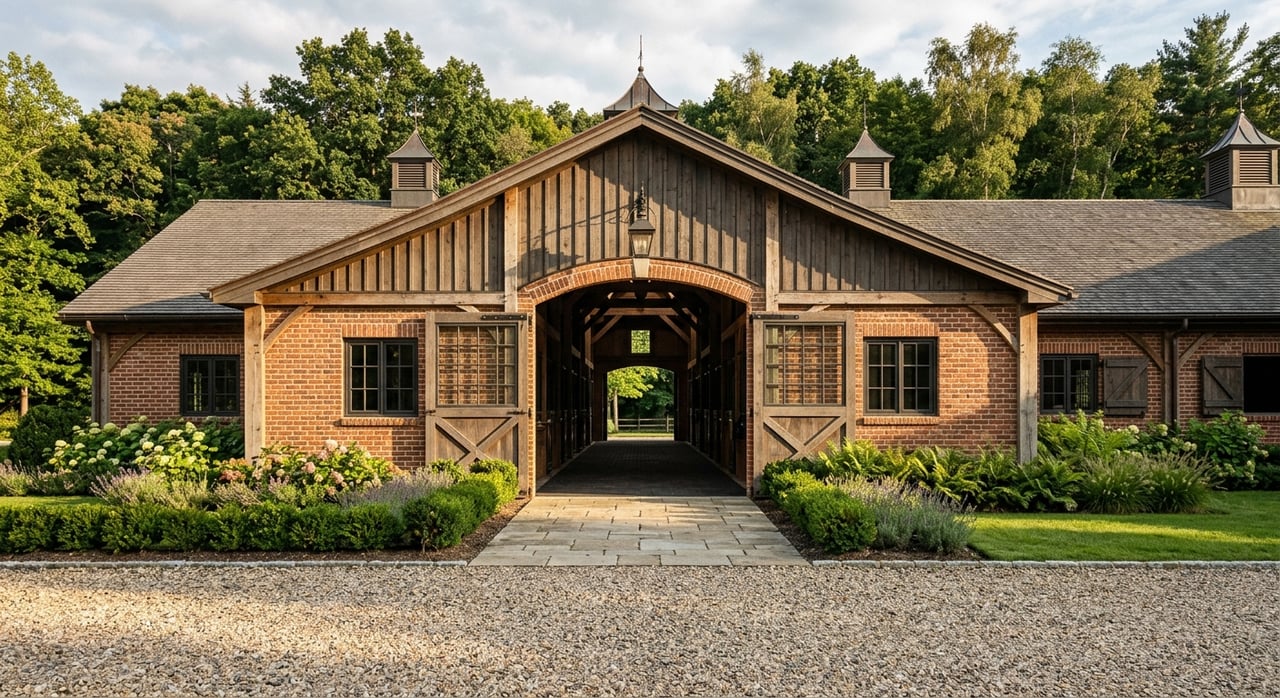
Buying a Horse Farm in Oldham County: What to Evaluate
May 14, 2026
May 14, 2026
Buying a horse farm in Oldham County can feel exciting and a little overwhelming at the same time. You may be picturing the barn, the pastures, and the riding space, but the real value of a property often comes down to details that are easy to miss on a first tour. If you want to buy with confidence, it helps to know what to evaluate before you fall in love with the view. Let’s dive in.
Oldham County has a strong rural identity, and its Planning & Development office specifically focuses on balancing growth with rural roots and greenspace preservation. The county’s AG-1 zoning district is intended to support agriculture and minimize urban-style development, and riding academies and stables are listed among permitted uses.
That is good news for horse-property buyers, but it does not mean every parcel works the same way. You still need to confirm the zoning and any site-specific issues for the exact property you are considering. A farm that looks ideal on paper may have limits tied to access, drainage, septic, floodplain concerns, or planned improvements.
Before you assume an existing barn can be altered or a new arena can be added later, verify the details with the right local offices. In Oldham County, the key contacts are Planning & Development, Building & Inspections, the County Engineer, and the Health Department.
A beautiful setting matters, but function matters more when you are buying a horse property. The University of Kentucky’s equine planning checklist recommends evaluating how horses, people, vehicles, equipment, and water move through the property.
That means you should tour the farm with a practical eye. Ask yourself whether daily chores, deliveries, turnout, and trailer movement will feel smooth or frustrating. A well-laid-out farm saves time, reduces wear on the property, and can make future improvements easier.
One of the first things to assess is whether trucks, trailers, and hay deliveries can get in and out easily. You want enough room for turning, parking, and unloading without creating bottlenecks near the barn or paddocks.
Gates matter here too. The University of Kentucky notes that gates for hay-related equipment should ideally be 16 feet wide, with 12 feet as the minimum for most hay equipment. If access points are too tight, everyday farm use can become harder than it needs to be.
Horse properties often show well on a dry day, but problems can appear fast after rain. Pay close attention to the drive, parking areas, and high-traffic zones around barns and gates.
You want to see whether the property has durable, all-weather surfaces where horses and equipment will move most often. Mud in the wrong places can affect safety, daily convenience, and maintenance costs.
A barn should match the way you plan to use the property, not just the number of stalls. The University of Kentucky checklist points buyers toward basics like airflow, movement in and out of buildings, access to turnout areas, and practical storage for hay, bedding, tack, and equipment.
As a reference point, a 12-by-12 stall is a common starting point, and a 12-foot aisle is the minimum recommendation listed in the checklist. Those numbers do not replace a property-specific review, but they can help you spot layouts that feel tight or inefficient.
Also look for how well support spaces are integrated. If feed, bedding, wash areas, or even restrooms feel like afterthoughts, the farm may need more work than it first appears.
A large acreage number can be appealing, but usable pasture matters more than total acres. In Kentucky, University of Kentucky guidance says one mature horse generally needs 2 to 3 acres of managed pasture.
That makes it important to ask how much of the land is truly usable for grazing. Steep ground, wet areas, wooded sections, and poorly maintained fields may reduce how functional the acreage really is.
If the farm has less usable pasture than you need, look for a realistic sacrifice area or dry lot. You do not want to assume the property can be managed entirely through grazing if the layout does not support that.
Pasture health is not something you can judge only by color. A field may look green and still need significant management work.
University of Kentucky guidance recommends soil sampling every 2 to 3 years, and Oldham County Extension notes that pasture samples should be taken from the top 3 to 4 inches while avoiding areas that can skew results, such as feeding spots and compost piles. For you as a buyer, that makes soil testing history a smart due-diligence question.
Ask whether the pasture has been managed, amended, and renewed over time. That answer can tell you a lot about future upkeep and whether the farm is set up for horses or simply includes open land.
A well-designed horse farm often uses smaller paddocks to improve forage use. University of Kentucky guidance says dividing pastures into smaller sections supports rotational grazing, and temporary electric fencing is commonly used for that purpose.
When you tour a property, look for a layout that allows flexibility. You may want paddocks that can be adjusted over time, especially if you plan to protect grass cover or manage seasonal wear.
Fence condition deserves a close look because it affects both daily management and long-term cost. The research recommends highly visible perimeter fencing, around 5 feet tall for containment, and free of sharp edges or barbed wire.
As you walk the property, ask simple questions:
If the farm uses temporary electric fencing, remember that it works as a psychological barrier and must stay charged to function as intended. That setup can be useful, but it should be evaluated carefully.
Not every pasture is equally suited to every horse operation. If you plan to use the farm for breeding or late-term mares, pasture composition matters even more.
University of Kentucky guidance notes that endophyte-infected tall fescue can be a problem for pregnant mares. That is why it is worth asking what grasses are present rather than assuming every green pasture fits your goals.
Drainage is one of the most important issues to evaluate on any horse property in Oldham County. Water movement affects barns, paddocks, drives, turnout areas, and manure management.
The University of Kentucky checklist specifically advises buyers to consider how water leaves buildings and drives so mud does not become a constant issue. During a showing, look at low spots, worn paths, gate areas, and the ground around the barn.
You should also notice whether runoff appears to move away from key work areas or collect where horses and equipment need to travel. A farm that stays usable through wet conditions is often much more valuable in daily life than one that only looks good in ideal weather.
Before you rely on listing acreage or visible fence lines, review the plat or survey. Oldham County notes that right-of-way widths can vary and can be confirmed through the plat or survey.
For horse-property buyers, this matters because driveways, fence lines, drainage ditches, and utility easements may not align with assumptions made during a quick walkthrough. If any work will affect the public right-of-way, county engineer approval is required.
This is one of those details that can save you real frustration later. It is much easier to understand the property boundaries and access rights before closing than after you start planning improvements.
Many buyers look at a horse farm and immediately start imagining renovations. You may be thinking about adding fencing, expanding a barn, improving drainage, or building an arena.
Before you price out those ideas, confirm which approvals may apply. In Oldham County, Building & Inspections handles building permits, the Health Department handles septic and onsite sewage, and the County Engineer handles stormwater, floodplain, and right-of-way issues.
County guidance also notes that some construction activity may require a stormwater quality management and erosion control permit application. Land disturbance over 1 acre, stream work, and floodplain work can trigger additional review, and a local Oldham County floodplain permit is required in addition to state permits when applicable.
Septic is an especially important item to verify because it follows a separate process. Oldham County Building & Inspections states that it does not issue plumbing, septic, or HVAC permits.
The county health department’s onsite sewage process requires a permit application and a drawing of the proposed septic system. If you are buying a farm with plans for changes to the home, barn support spaces, or other improvements that may affect sewage needs, this is worth confirming early.
When you tour horse farms in Oldham County, it helps to follow a clear system instead of trying to judge everything at once. Start by walking the property with four priorities in mind: barn function, pasture quality, drainage, and access.
Then make a written list of what you see. Note fencing questions, gate widths, trailer turnaround, mud patterns, storage limits, pasture condition, and any areas that may need county review.
After that, use local verification to narrow the unknowns. The research supports a practical approach: review the layout, then sanity-check your observations with county offices and extension guidance before you move too far into inspections or renovation estimates.
Horse properties are highly individual, even when they are in the same market. Two farms with similar acreage can function very differently based on layout, drainage, zoning details, and how the land has been managed.
That is why a thoughtful buying process matters. When you look past the surface and evaluate how the farm actually works, you are much more likely to choose a property that supports your goals now and in the future.
If you are considering a horse farm in Oldham County and want a grounded, detail-oriented perspective as you compare properties, Brooke Miller can help you evaluate the land, layout, and next steps with local insight.
Stay up to date on the latest real estate trends.
Work with a third-generation Louisville REALTOR® with over 16 years of experience, and enjoy a seamless, personalized real estate experience backed by integrity and dedication.