Highlands vs. St. Matthews Homes for Move-Up Buyers
May 28, 2026
May 28, 2026
Trying to decide between the Highlands and St. Matthews for your next home? If you are a move-up buyer, this choice often comes down to more than price. You are likely weighing daily lifestyle, home style, lot size, and how you want your neighborhood to function day to day. This guide will help you compare both areas in practical terms so you can move forward with more clarity. Let’s dive in.
For many Louisville buyers, the Highlands and St. Matthews can both feel like strong next-step neighborhoods. Each offers established housing, access to shopping and dining, and a recognizable local identity. But the experience of living in each area can feel very different once you look past the headline.
If you are moving up from a starter home, condo, or smaller space, your decision may come down to what you want more of in this next chapter. That might mean more walkability, a different home style, a little more lot space, or easier day-to-day errands.
The Highlands is best understood as a corridor-driven urban neighborhood. Louisville Tourism describes it as Louisville’s original Restaurant Row, known for nightlife, shopping, coffee shops, and Victorian and turn-of-the-century architecture. Much of the neighborhood’s energy centers around Bardstown Road and Baxter Avenue.
That concentrated layout shapes how the area feels. Instead of relying on several separate commercial pockets, the Highlands offers a more continuous street-level experience. If you like the idea of stepping out into a neighborhood with restaurants, shops, and coffee spots woven into the daily rhythm, that is a major draw here.
The Highlands tends to appeal to buyers who want walk-first living. Walk Score gives the neighborhood a score of 81, making it the 3rd most walkable neighborhood in Louisville. It also reports roughly 59 restaurants, bars, and coffee shops in the area, with about 9 reachable within five minutes.
That does not mean every block feels the same. It does mean the neighborhood’s identity is closely tied to a lively, connected corridor. For buyers who value access to local businesses and a more urban pace, that can be a real advantage.
Housing in the Highlands often reflects the neighborhood’s age and density. NeighborhoodScout says 75.3% of the residential real estate was built no later than 1939. It also notes that 32.7% of the real estate is in small 2-, 3-, or 4-unit apartment buildings.
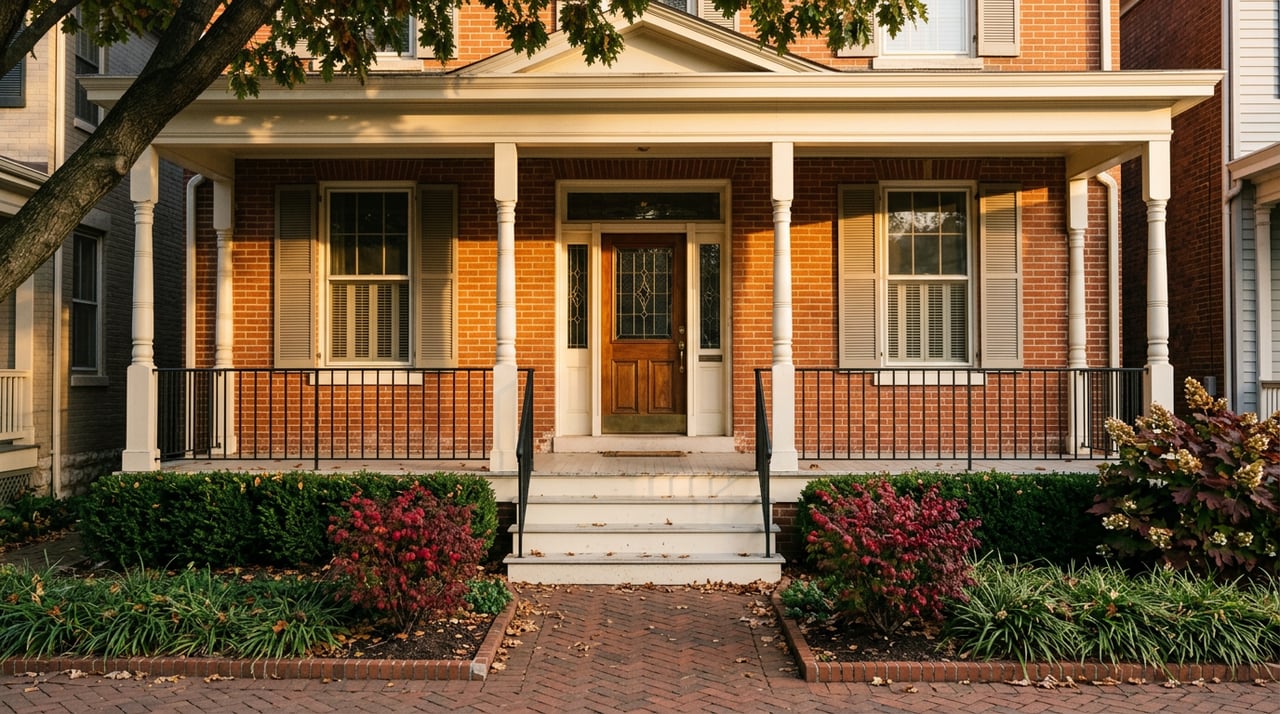
For you as a buyer, that often translates into older homes, more architectural character, and tighter lot patterns. Recent listing examples in the research report support that pattern, including a 1900 home on a 3,628-square-foot lot and a 1930 home on a 6,534-square-foot lot, along with condo inventory. In simple terms, the Highlands often trades some yard space for charm, location, and walkability.
St. Matthews works differently. Instead of one main restaurant corridor, it is organized around several retail and service areas, including Shelbyville Road Plaza, Mall St. Matthews, Dutchmans and Breckenridge, Chenoweth, Westport Road and Hubbards Lane, and Westport Village. Its city history also shows a transition from large farms to subdivided residential land, with virtually all improved land developed by 1950.
That pattern gives St. Matthews a different everyday feel. It is not as centered on one walkable strip, but it does offer broad convenience across multiple commercial hubs. If your daily routine includes regular errands, shopping stops, dining options, and service access in different directions, this setup can work very well.
St. Matthews is often better described as errand-efficient than fully walk-first. Walk Score gives it an average score of 50, which it labels as somewhat walkable. It reports about 161 restaurants, bars, and coffee shops overall, with about 3 reachable within five minutes.
That distinction matters. You may have more total retail and dining choices spread across the area, but fewer are clustered into a single pedestrian corridor. For many move-up buyers, that means St. Matthews can feel especially practical if you prefer quick access by car to shopping, groceries, dining, and services.
St. Matthews has a broader housing mix than the Highlands. According to NeighborhoodScout, single-family detached homes are the largest category at 49.15%, while large apartment or high-rise product makes up 33.39% of the housing stock. A substantial share of homes dates from 1940 to 1999.
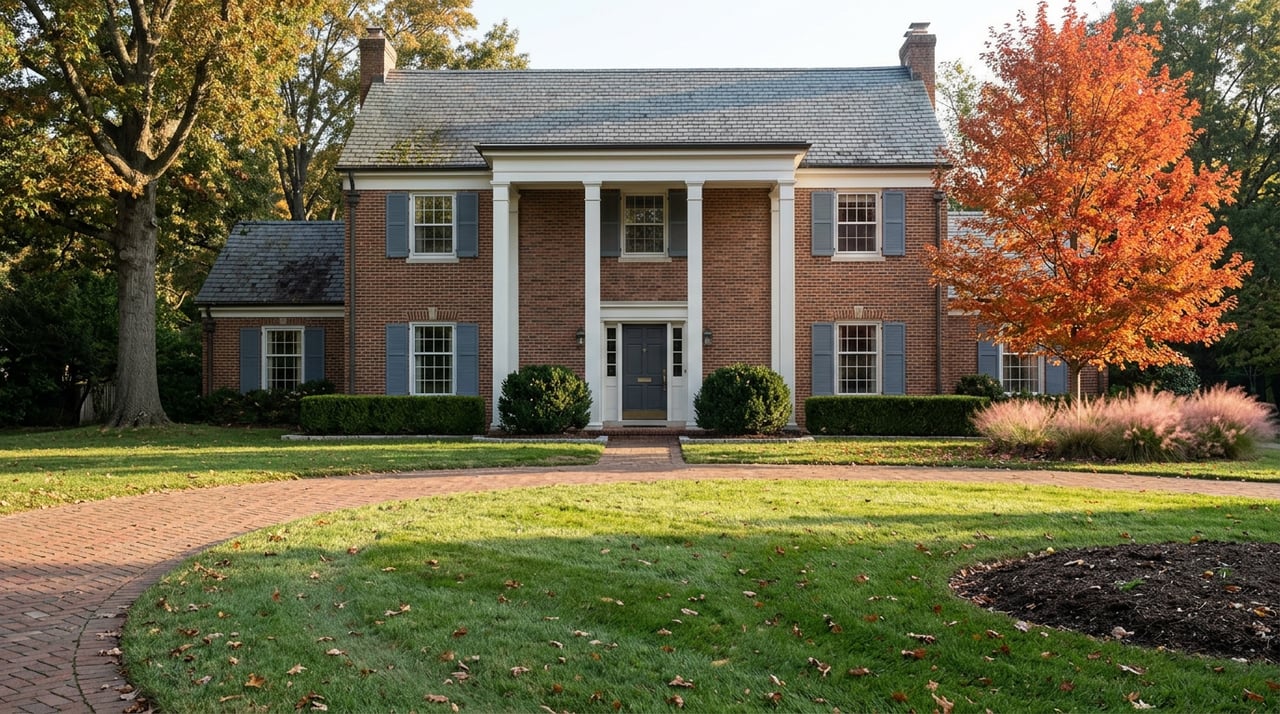
That broader mix can create more flexibility depending on your goals. The listing examples in the research report include detached homes on lots around 6,969.6 and 7,840.8 square feet, along with condos and townhomes that offer lower-maintenance living. Compared with the Highlands, St. Matthews more often offers a detached-house-heavy mix and somewhat larger lot examples at the single-family end.
Price matters, but in this comparison it may not be the whole story. Zillow’s April 30, 2026 home-value snapshots put the Highlands at $313,124 and St. Matthews at $340,967. That places St. Matthews about $27,800 higher, or roughly 8.9% more, on Zillow’s home-value measure.
For a move-up buyer, that gap is meaningful but not dramatic enough to settle the choice on its own. In many cases, the bigger question is what you are getting for that premium. You may be paying a bit more in St. Matthews for a different housing mix, different lot profile, and a more dispersed convenience pattern.
| Category | Highlands | St. Matthews |
|---|---|---|
| Overall feel | Urban, corridor-centered | Convenient, node-based |
| Walk Score | 81 | 50 |
| Daily pattern | Walk to dining and shops | Drive-friendly errands across retail hubs |
| Housing character | Older homes, historic feel, mixed density | Broader mix of detached homes, condos, and townhomes |
| Lot pattern | Often tighter urban lots | Often somewhat larger detached-home lots in examples |
| Zillow home value | $313,124 | $340,967 |
If you are torn between the two, start by thinking about your normal week. Not your ideal Saturday, but your real routine. The neighborhood that supports how you actually live will usually feel like the better long-term fit.
As you compare homes in either area, look beyond bedroom count and square footage. Pay attention to how the lot works, how close you are to the kind of retail or dining you use most, and how much home maintenance you want to take on. In neighborhoods with older housing stock, layout, storage, and update level can shape value just as much as size.
This is also where local perspective matters. Two homes with similar prices can offer very different daily experiences depending on block, lot, and housing type. A thoughtful comparison helps you avoid buying into a lifestyle that looks right on paper but does not fit how you want to live.
For most move-up buyers, this is less about which neighborhood is “better” and more about which one fits your next season. The Highlands stands out for walkability, historic character, and corridor energy. St. Matthews stands out for its broader housing mix, slightly higher home values, and convenience spread across multiple commercial centers.
If you want help weighing home style, lot tradeoffs, and day-to-day lifestyle in these Louisville neighborhoods, Brooke Miller can help you compare your options with a local, design-aware perspective.
Stay up to date on the latest real estate trends.
Work with a third-generation Louisville REALTOR® with over 16 years of experience, and enjoy a seamless, personalized real estate experience backed by integrity and dedication.